

Vietnamese tea is more than a daily drink, it is a quiet reflection of local life, hospitality, and cultural connection. Tea can be found in family homes, street-side stalls, and traditional settings. It appears in simple moments that reveal the rhythm of everyday life in Vietnam. For travelers, discovering tea culture in Vietnam is not only about taste but also about understanding how small rituals and shared moments continue to shape Vietnamese culture today.
1. What is traditional Vietnamese tea?
1.1. A tea tradition rooted in Vietnamese life
The culture of drinking tea in Vietnam dates back over a thousand years, with records showing its strong presence as early as the Ly Dynasty (1009-1225). In feudal society, scholars and mandarins often enjoyed tea in quiet settings, using it as a moment for reflection, poetry, or conversation. At the same time, farmers drank tea in a much simpler way. They brewed it strong and shared it during breaks or after long hours of work.

Over time, tea has become deeply embedded in daily life, not as a luxury but as something familiar and accessible to everyone. Across Vietnam, tea appears in everyday settings. It is served at home to welcome guests, shared between neighbors in the late afternoon, or enjoyed during short breaks at work. This widespread presence reflects how tea is not tied to status or occasion but to daily living itself.
At its core, tea culture in Vietnam expresses simplicity, connection, and quiet hospitality. Offering tea is often the first gesture of welcome, creating a natural space for conversation and human connection without formality.
1.2. How Vietnamese tea is prepared and enjoyed
In Vietnam, tea is typically made from loose leaves, with green tea being the most common. The preparation is simple but intentional, shaping a slower and more mindful way of drinking.

A typical process includes:
- Placing loose tea leaves into a small teapot
- Quickly rinsing the leaves to awaken their aroma
- Pouring hot water and allowing a short steeping time
- Serving the tea in small cups, often shared among several people
The taste is often light, with a gentle bitterness at first, followed by a clean and refreshing aftertaste. In Vietnamese culture, this balance is very important because it shows that people value harmony, subtlety, and depth in their daily life.
2. Popular Vietnamese tea and herbal drinks
2.1. Traditional tea varieties
Vietnamese tea comes in several types, each offering a distinct flavor shaped by how the leaves are processed.
2.1.1. Vietnamese green tea
The most widely enjoyed tea in Vietnam, especially in the north, green tea is closely tied to everyday life and simple daily rituals.

- Preparation method: Lightly processed with minimal oxidation to preserve its natural character
- Flavor profile: Light and fresh, with a gentle bitterness that fades into a clean, refreshing aftertaste
- How it’s enjoyed: Typically served hot in small cups, often shared throughout the day
2.1.2. “Shan Tuyết” ancient tea
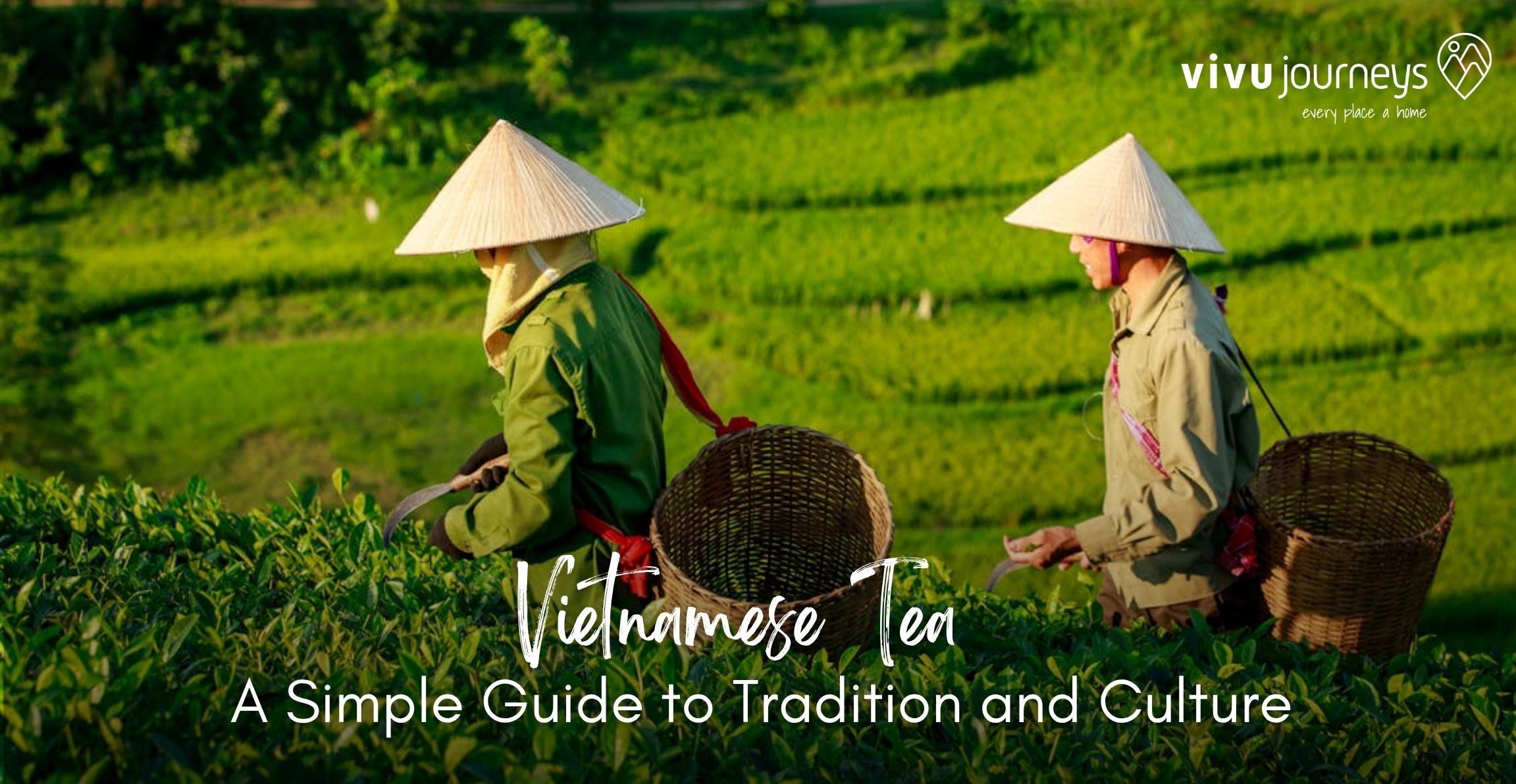
Grown on ancient tea trees in high mountain areas, this tea is known for its natural, untouched character and is often hand-picked by local communities.

- Preparation method: Leaves are carefully hand-harvested from old trees and traditionally processed with minimal intervention
- Flavor profile: Rich yet smooth, with a deeper taste, a hint of natural sweetness, and a clean, slightly wild finish
- How it’s enjoyed: Brewed hot, often in multiple infusions to fully enjoy its depth and changing flavors
2.1.3. Vietnamese oolong tea
Grown mainly in highland regions such as Da Lat, oolong tea reflects a more refined and carefully controlled production process.

- Preparation method: Partially oxidized, balancing between green and black tea styles
- Flavor profile: Smooth and layered, with gentle floral notes, a hint of roasted warmth, and a naturally sweet finish
- How it’s enjoyed: Best served hot, allowing the flavors to unfold gradually over multiple infusions
This variety shows how Vietnamese tea can offer different flavors to suit different preferences, from light and refreshing to deeper and more complex.
2.2. Scented teas
Scented teas are created by infusing tea leaves with natural floral aromas, rather than using separate plants. This technique adds another layer of refinement to Vietnamese tea culture.
2.2.1. Vietnamese lotus tea
Often seen as the most iconic scented tea in Vietnam, lotus tea is closely associated with Hanoi and traditional craftsmanship. High-quality lotus tea can take days to scent, using fresh lotus flowers to gently infuse the tea with fragrance.

- Preparation method: Green tea is layered inside fresh lotus flowers or scented repeatedly with lotus stamens
- Flavor profile: Soft, elegant floral notes with a smooth, lightly sweet and lingering finish
- How it’s enjoyed: Served hot in small cups, usually during quiet moments or special occasions
2.2.2. Vietnamese jasmine tea
Jasmine tea is a popular floral tea with a gentle fragrance and slightly sweet notes. It is widely enjoyed and easy to approach for first-time tea drinkers.

- Preparation method: Tea leaves are infused with jasmine blossoms, often over multiple rounds to deepen the scent
- Flavor profile: Light, fragrant, with a gentle sweetness and clean finish
- How it’s enjoyed: Commonly served hot as an everyday tea
2.2.3. Vietnamese chrysanthemum tea
Chrysanthemum tea is known for its calming qualities and often linked to relaxation and balance in daily life.

- Preparation method: Typically made by steeping dried chrysanthemum flowers, sometimes blended with tea leaves
- Flavor profile: Mild, slightly sweet, with a soft floral and refreshing note
- How it’s enjoyed: Served warm or hot, especially for a soothing, relaxing experience
Scented teas highlight a more delicate side of Vietnamese tea culture, where aroma, craftsmanship, and quiet enjoyment come together.
2.3. Herbal infusions
In Vietnam, many drinks commonly referred to as “tea” are actually herbal infusions made without traditional tea leaves. These beverages are widely enjoyed by people who value wellness, balance, and practical drinking habits.
2.3.1. Artichoke tea
A well-known herbal drink in Vietnam, especially popular for its association with digestion and overall wellness.

- Preparation method: Made by boiling or steeping dried artichoke leaves, stems, or flowers
- Flavor profile: Mild, slightly sweet, with a smooth and rounded taste
- How it’s enjoyed: Served hot or chilled, often as a refreshing daily drink
2.3.2. Ginger tea
A familiar and comforting drink in Vietnamese households, often prepared as a natural remedy, especially during cold weather or when feeling unwell.

- Preparation method: Fresh ginger slices are simmered in hot water to extract their flavor
- Flavor profile: Warm, gently spicy, with a lingering heat
- How it’s enjoyed: Best served hot, especially for comfort or relaxation
2.3.3. Pandan tea
A popular herbal drink in southern Vietnam, known for its distinctive aroma and refreshing quality in a warm climate.

- Preparation method: Pandan leaves are boiled to release their distinctive scent and flavor
- Flavor profile: Light, slightly sweet, with a soft, vanilla-like fragrance
- How it’s enjoyed: Often served cold or over ice for a refreshing, easy drink
These herbal infusions are simple yet flavorful, reflecting a natural approach to daily drinking that feels both calming and accessible.
3. Why Vietnamese tea still matters today
3.1. Tea in modern Vietnamese life
Despite rapid urban development and the rise of modern beverage trends, tea remains an essential part of Vietnamese life. From street-side iced tea stalls to teapots in family homes, it continues to exist naturally within daily routines.
It also provides continuity across generations. While younger people explore new drinks like coffee or bubble tea, traditional tea remains familiar and grounding. This ongoing presence reflects values that are still relevant today: simplicity, authenticity, and a connection to everyday life.

3.2. Tea as part of a deeper cultural experience for travelers
For travelers, exploring Vietnamese tea is a way to better understand the country, not through grand experiences, but through the small, meaningful rituals that shape daily life in Vietnam.
Tea can be experienced across many everyday settings in Vietnam, from family homes where it is offered as a simple gesture of welcome to local tea houses that reflect a more traditional atmosphere.

It also appears in street-side stalls, where iced tea is part of daily urban life. Through these experiences, tea reveals the rhythm of Vietnamese culture, which is social, unhurried, and grounded in simple pleasures.
You may also like:
- Vietnamese Wedding Tea Ceremony: A Timeless Cultural Tradition
- Vietnamese Coffee: History, Unique Brewing & Regional Favorites
- Top 5 Things to Do in Hanoi for Drink Lovers
4. Conclusion
Tea culture in Vietnam may seem simple at first, but that simplicity carries depth and meaning. It is not defined by complexity or ceremony but by everyday moments, shared connections, and a quiet sense of balance. From fresh green tea to fragrant lotus blends and herbal infusions, each cup reflects a different aspect of Vietnamese life.
Enquire now or partner with us today to explore more authentic culture experiences of Vietnam!