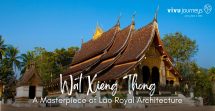


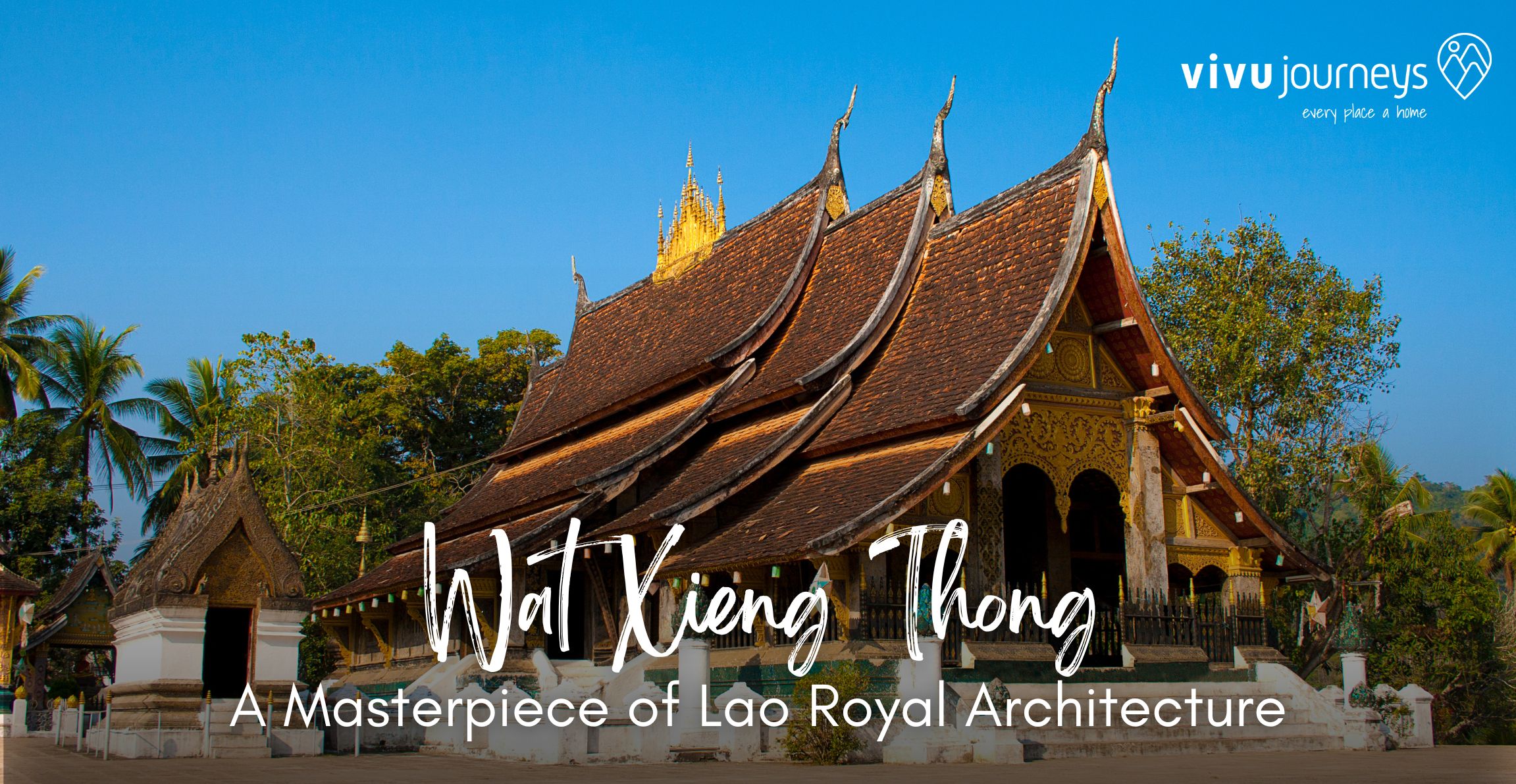
Wat Xieng Thong is located in the heart of Luang Prabang, the ancient royal capital and one of the most celebrated cultural destinations in Laos. The temple is a symbol of Lao spiritual identity, royal history, and artistic heritage of the former Kingdom of Lane Xang. With its sweeping temple roofs, intricate mosaics, and centuries-old stories, Wat Xieng Thong remains one of the most iconic landmarks in Laos.
1. A Royal Chronicle: The 500-Year History of Wat Xieng Thong
Wat Xieng Thong was founded in 1560 by King Setthathirath, one of the most influential rulers in Lao history. The temple was built near the meeting point of the Mekong and Nam Khan Rivers, which has been a spiritually significant area for centuries. Its construction took place during the golden era of the Kingdom of Lane Xang, when Buddhism flourished and Luang Prabang became an important religious and political center in Southeast Asia. Over time, Wat Xieng Thong evolved into one of the most sacred monasteries in Laos.
For generations, the temple maintained close ties with the Lao royal family. It served as the traditional site for royal coronations and major religious ceremonies connected to the monarchy. The complex also became the repository for royal ashes, reinforcing its role as both a spiritual sanctuary and a symbol of royal legitimacy. Because of this connection, Wat Xieng Thong was long regarded as the most important temple in the kingdom.

One of the most remarkable chapters in the temple’s history occurred during the 1887 Black Flag invasion. During this attack, much of Luang Prabang was destroyed, including homes, monasteries, and historical structures across the city. Remarkably, Wat Xieng Thong survived. Historical accounts often attribute its preservation to the admiration the invading leader reportedly held for the temple’s beauty and cultural value. This survival allowed the temple to remain one of the few original architectural treasures from the royal era.
By the mid-20th century, restoration efforts became essential to preserve the temple’s artistic details and structural integrity. Significant renovation work was carried out during the 1960s, helping conserve its delicate mosaics, wooden carvings, murals, and ceremonial buildings. Today, the temple remains carefully maintained and continues to function as both an active monastery and a major cultural landmark within the UNESCO World Heritage Site of Luang Prabang.
2. Architectural Masterpieces within the Xieng Thong Temple Complex
2.1. The Sim (Congregation Hall)
The architectural centerpiece of Wat Xieng Thong is the Sim, or main congregation hall. It is considered one of the finest examples of traditional Luang Prabang temple architecture.

Its most distinctive feature is the dramatic double-tiered roof that sweeps low toward the ground. This elegant roof design became a defining characteristic of the Luang Prabang style and is rarely seen elsewhere in Southeast Asia. The Sim is richly decorated with gold stenciling, carved wooden doors, and intricate wall details that reflect Buddhist teachings and Lao artistic traditions.
2.2. The Mosaic Tree of Life
At the rear of the Sim lies one of the temple’s most photographed masterpieces: the Tree of Life mosaic. Created with thousands of small pieces of colored glass set against a deep red background, the mosaic depicts a large sacred tree surrounded by animals, villagers, and scenes from daily life.

The artwork symbolizes harmony between nature, spirituality, and human existence. The vibrant colors become especially striking in the early morning or late afternoon light, making it a favorite spot for photographers visiting Luang Prabang.
2.3. The Funeral Carriage House at Wat Xieng Thong
Another highlight within the complex is the Funeral Carriage House, which shelters an elaborate royal funeral carriage used during ceremonies for King Sisavang Vong.
The gilded carriage stands approximately 12 meters high and is decorated with intricate carvings, mythical serpent motifs, and gold detailing. Its grandeur reflects the importance of royal Buddhist rituals in Lao culture. Nearby, visitors can also view ceremonial urns and religious artifacts connected to the Lao monarchy.
2.4. The Red Chapel & The Reclining Buddha
The Red Chapel is another visually striking structure inside the temple grounds. Its interior features rich red and gold decor, creating a peaceful and intimate atmosphere.
Inside the chapel is a rare Reclining Buddha statue believed to date back to the original construction period of the temple in the 16th century. According to local history, the statue was once taken to Thailand during a period of conflict before eventually being returned to Laos. The Reclining Buddha remains one of the temple’s most historically significant religious treasures.
3. Pi Mai Lao Festivals at Wat Xieng Thong
Throughout the year, Wat Xieng Thong plays an important role in local religious festivals and Buddhist celebrations. One of the most vibrant periods to visit is during Lao New Year, also known as Pi Mai Lao, which usually takes place in April.
During this celebration, the temple becomes a center of ceremonies, processions, traditional music, and water blessings. Visitors may witness monks chanting, locals making merit, and candlelit rituals that create a deeply spiritual atmosphere.

The temple is also involved in other Buddhist festivals throughout the lunar calendar, offering travelers a meaningful opportunity to observe living religious traditions rather than simply viewing historical architecture.
Read more: Things you can’t miss about Pimai Lao Festival
4. Visiting Wat Xieng Thong: Practical Tips for Travellers
The best time to visit Wat Xieng Thong is during the dry season from November to March, when temperatures are cooler and walking around the temple complex is more comfortable. Early mornings and late afternoons are ideal for softer lighting and fewer crowds.
As Wat Xieng Thong remains an active religious site, modest clothing is recommended. Visitors should cover their shoulders and knees when entering temple buildings. Shoes must also be removed before entering sacred areas.

Photography is allowed in most outdoor areas of the complex, and the Tree of Life mosaic is particularly popular among photographers. To capture the temple at its most atmospheric, visit shortly after sunrise when golden light reflects across the temple roofs and courtyards.
Since the temple sits near the tip of the Luang Prabang peninsula, it can easily be combined with nearby cultural attractions, riverside cafes, local markets, and Mekong sunset viewpoints. Exploring the surrounding streets on foot is one of the best ways to experience the relaxed heritage charm of Luang Prabang.
5. Explore Laos with Vivu Journeys
Wat Xieng Thong is not simply one of the most beautiful temples in Laos. It is a living reflection of Lao spirituality, royal heritage, and artistic excellence that has endured for more than 500 years. Experience Wat Xieng Thong in a more meaningful way through carefully curated journeys that connect travellers with the spiritual and cultural heritage of Luang Prabang. At Vivu Journeys, each experience is guided by local experts who share not only the temple’s history and architecture, but also the traditions, stories, and daily life that continue to shape this sacred destination today
Learn more:
- Laos Food Guide: Must-Try Dishes & Traditional Cuisine
- Pha That Luang – Laos’ Golden Spiritual Heart
To extend the experience, travellers can stay at Victoria Xiengthong Palace, a heritage-style hotel just steps from the temple. Its peaceful setting allows guests to experience Luang Prabang at a slower rhythm, with Wat Xieng Thong, riverside walks, morning alms-giving routes, and local cafes all within easy reach.

For more hidden gems and authentic travel in Laos, enquire now or partner with us today to start planning your next itinerary!