
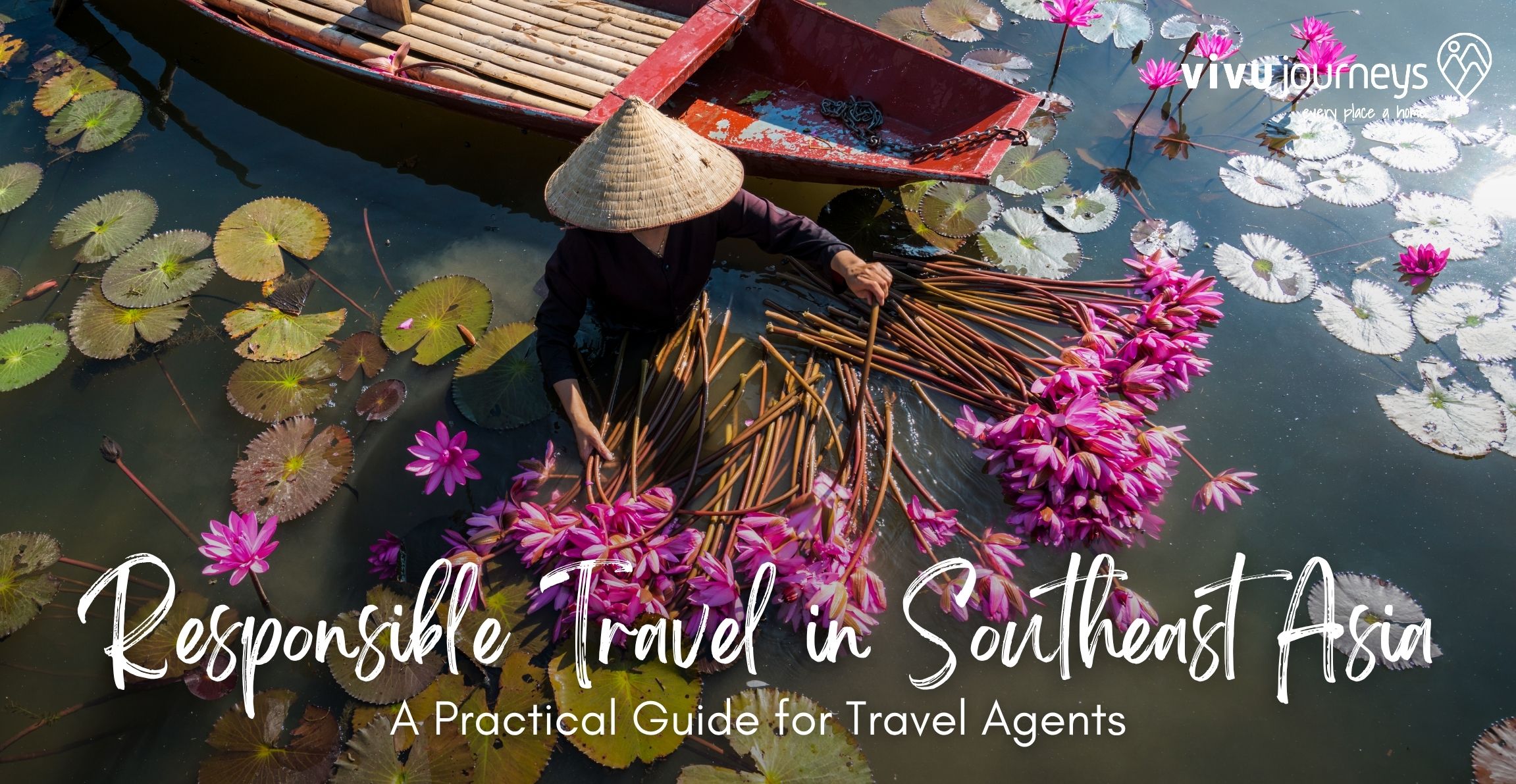
Responsible travel is about designing journeys that create a positive relationship between travelers, local communities, culture, and the environment. In Southeast Asia, responsible travel can feel especially rich and personal as the region offers community-based tourism experiences that can be shaped into meaningful tailor-made journeys.
1. Why Southeast Asia Is One of the Best Destinations for Responsible Travel
1.1. Authentic Local Connection
One of Southeast Asia’s strongest advantages is the ability to offer authentic local connection through everyday life. Travelers can meet artisans, cook with local hosts, visit family-run farms, and join community-led activities that reveal how people live, work, and preserve traditions.

These experiences feel different from conventional sightseeing because they are built around people, not only places. The authentic local connection helps turn an itinerary into a story. It gives customers something personal to remember and creates a stronger emotional connection to the destination.
1.2. Clear Positive Impact for the Local Community
Responsible travelers want to know that their journey creates a clear, positive impact in the places they visit. Southeast Asia is especially relevant because many destinations are still developing, and tourism can play a meaningful role in supporting local livelihoods.
For travelers, this adds purpose to the journey. They are not only visiting a destination, they are helping support local communities and preserve cultural traditions. Clear local benefit also strengthens the way the journey is positioned. Customers who care about responsible travel want to know that their experience is not extractive. They want confidence that local people are involved, paid fairly, and represented with dignity.
2. Top 4 Destinations for Responsible Travel in Southeast Asia
2.1. Vietnam
Vietnam’s signature for responsible travel lies in its food culture, craft heritage, and river or countryside life. It is one of Southeast Asia’s most flexible destinations for creating local, sensory, and well-paced experiences.

Signature experience ideas include:
- North Vietnam: Craft heritage and ethnic community encounters shape experiences in the north. Around Hanoi, Bat Trang ceramics and Van Phuc silk weaving connect travelers with artisans, while Mai Chau, Pu Luong, Sapa, and Ha Giang offer village walks and local host experiences.
- Central Vietnam: In Hoi An, experiences are closely tied to farming, fishing, food, and traditional crafts. Tra Que farming, Cam Thanh basket boat excursions, market-to-table cooking, Thanh Ha pottery, and Kim Bong carpentry create hands-on connections to local livelihoods.
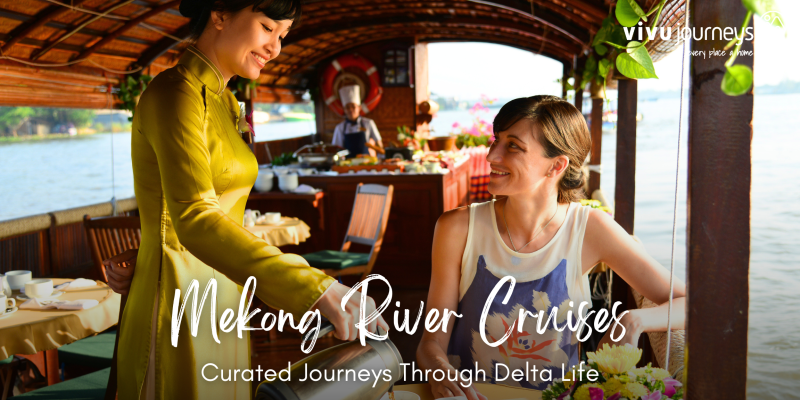
- South Vietnam: In the Mekong Delta, responsible travel is all about river life and family-run enterprises. Small boat journeys, local meals, and cycling routes help support river-based communities and small local businesses.
Learn more: Ham Nghi Community-Based Tourism: Mekong Delta Experiences
Best fit for: food lovers, craft and culture travelers, soft adventure clients, mature travelers, and clients who want local depth with comfortable pacing.
2.2. Laos
Laos’ signature for responsible travel is slow travel, spiritual culture, and traditional craft. The country is especially strong for clients who want a quieter journey where local connection happens through time, conversation, and atmosphere rather than a busy schedule.

Signature experience ideas include:
- North Laos: Luang Prabang is the key base, with weaving workshops, rice farming, and community experiences
- Central Laos: In central Laos, sustainable tourism can focus on local life, heritage towns, and nature-based experiences. Around Vientiane and nearby rural areas, travelers can explore markets, local food and village life.
- South Laos: The Bolaven Plateau offers coffee farm visits and small producer experiences, while Mekong river communities introduce travelers to village life and a slower rhythm along the water.
Learn more: Ban Huay Thom Village: Community Empowerment in the Mountains of Northern Laos
Best fit for: slow travelers, mature clients, spiritual travelers, craft lovers, and clients who prefer peaceful destinations with fewer crowds and a softer rhythm.
2.3. Cambodia
Cambodia’s signature for responsible travel is living heritage, social impact, and rural community life. While Angkor remains a major highlight, meaningful travel experiences in Cambodia become most meaningful when clients also connect with the people, creativity, and local resilience beyond the temples.

Signature experience ideas include:
- Northwest Cambodia: Responsible travel is closely tied to Angkor and rural life. Around Siem Reap and Battambang, travelers can experience village walks, artisan workshops, countryside cycling, and creative community projects beyond the main temple route.
- Central Cambodia: Around Phnom Penh and nearby communities, community-based tourism can focus on contemporary culture, social impact, local markets, and meaningful historical context.
- Tonle Sap Region: Carefully selected lake visits, community-led experiences, and local hosting can help travelers understand life around the lake while supporting local people in the area.
Learn more: How Community Tourism Is Transforming Kok Sangke Village
Best fit for: history lovers, culture-focused travelers, social-impact clients, repeat Southeast Asia travelers, and clients who want Cambodia to feel deeper than a temple-focused itinerary.
2.4. Thailand
Thailand’s signature for responsible travel is food, wellness, and community-based nature experiences with strong comfort infrastructure. This makes it a practical choice for customers who want local connection but still value smooth service and hospitality.

Signature experience ideas include:
- Northern Thailand: Around Chiang Mai and Chiang Rai, travelers can experience village visits, local farms, cooking classes, craft workshops, and community-led nature activities.
- Central Thailand: Around Bangkok and the central region, responsible travel connects travelers with everyday local life through canals, markets, food heritage, and neighborhood experiences.
- Southern Thailand: Fishing villages, local food experiences, and conservation-linked activities can support smaller communities beyond the main beach resorts.
Best fit for: first-time Southeast Asia travelers, wellness clients, food lovers, soft adventure travelers, mature clients, and travelers who want responsible travel with a higher level of comfort and ease.
3. A Responsible Travel Guide for Travel Agents
3.1. What to Look For?
When designing responsible travel experiences, agents should look beyond whether an activity sounds local or authentic.

The strongest experiences usually share a few key qualities:
- Genuine local involvement: Local people should not be used as a backdrop. They should be active hosts, guides, storytellers, or decision-makers in how the experience is delivered.
- Meaningful interpretation: A good guide or host should help travelers understand the story behind the experience: why it matters, what traditions mean, and how local communities are living and changing today.
- Small-scale and personal connection: Responsible travel works best when there is enough time for conversation, observation, and natural exchange. The experience should feel personal, not rushed or overly staged.
Planning the right responsible travel experiences is about experiences that are genuine, respectful, beneficial to the community, and suitable for the customers’ comfort level. When these elements are in place, responsible travel can feel both meaningful for travelers and valuable for the places they visit.
3.2. Balancing Comfort and Local Impact
For many mature, experienced, or high-value travelers, comfort is what allows them to engage more deeply with local people and places. A well-designed responsible travel experience should feel authentic, respectful, and meaningful, while still being well-paced and suitable for the customer.

To create this balance, there are few practical details should be considered:
- Choose the right level of immersion: Match the experience to the client’s comfort level, whether that means a short hosted meal, a guided workshop, or a deeper village visit.
- Plan around comfort factors: Check walking distance, bathroom access, transport time, food hygiene, dietary needs, and language support
- Keep the pacing realistic: Allow time for introductions, questions, observation, and natural interaction, rather than treating the activity as a quick stop.
3.3. Working With Local DMCs and Trusted Partners
Responsible travel in Southeast Asia depends heavily on local knowledge. Many of the best community-based tourism experiences are not simple products that can be booked from a distance. Support from trusted local DMCs reduces risk and builds confidence for travel agents when offering responsible travel experiences. With the right local partner, journeys can feel personal, well-paced, and respectful to the communities involved.

As an experienced local DMC, Vivu Journeys helps agents and operators design responsible Southeast Asia programs that balance cultural depth, customer comfort, and positive local impact.
Partner with us to create locally connected journeys with seamless on-the-ground care, or make an enquiry to shape a responsible travel experience around your customers’ brief.