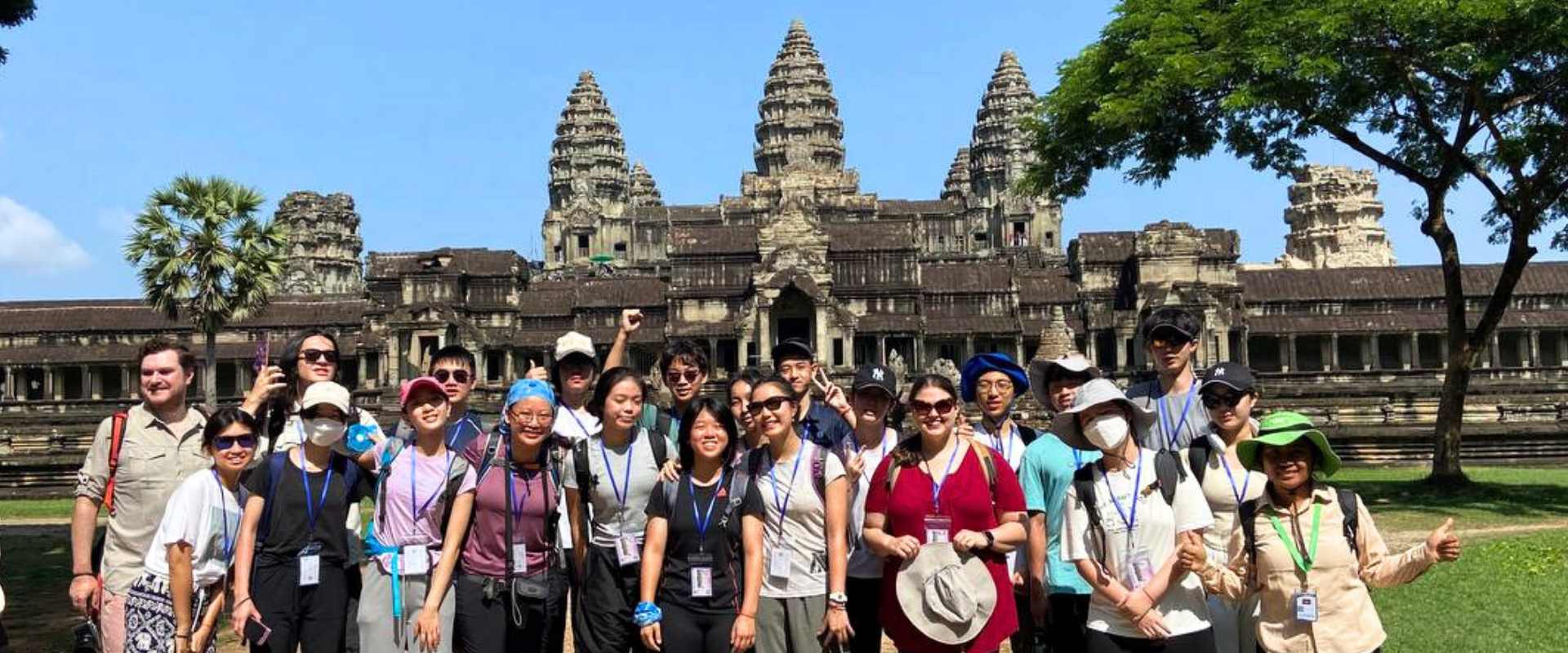
Empowering education for local students in Kok Sangke, Cambodia, remains a challenge due to limited access to quality learning and personal development opportunities, which Vivu Journeys aims to address through strong community partnerships.
1. Education in Rural Cambodia and Kok Sangke Community
Cambodia, a low-income country in Southeast Asia, is aiming to transform fundamental sectors such as education, healthcare, economic development, and infrastructure to accelerate progress. Despite these efforts, a clear disparity remains between urban centres and remote rural areas, where empowering education continues to be a major challenge. Limited educational resources in these rural regions pose a considerable challenge to achieving national development objectives.
This scarcity impacts not only the quality of education but also healthcare access, economic opportunities, and overall community development. Additionally, rapid population growth further intensifies these challenges, making it imperative to address these gaps for balanced national development.

Kok Sangke is a rural commune in the Pursat Province of Cambodia. Like many rural areas in Cambodia, it has a primarily agrarian society. The community engages in activities such as rice cultivation and fishing.

Social life is shaped by strong family ties and local traditions, creating close-knit community bonds that form the foundation for community empowerment. However, access to education and healthcare remains uneven, as infrastructure and public services are still limited in parts of the commune.
2. Education Challenges in Kok Sangke
Regarding empowering education, while efforts have been made to improve educational opportunities across the country, remote areas like Kok Sangke may still face issues such as limited infrastructure, a lack of qualified teachers, and insufficient resources. Students may have to travel long distances to attend school, which can be a barrier.
2.1. Limited Access to Education
Rural areas like Kok Sangke often have fewer schools and educational resources compared to urban areas. Many students may have to travel long distances to attend school, and some may not have access to schooling at all.
2.2. Lack of Infrastructure
Schools in Kok Sangke may lack basic infrastructure such as proper classrooms, furniture, and sanitation facilities. This can create an uncomfortable and distracting learning environment for students.
2.3. Poverty
Many families in Kok Sangke struggle with poverty, which can affect students’ ability to attend school regularly. Some students may need to work to support their families instead of pursuing their education.
2.4. Healthcare Needs
Poor access to healthcare services in rural areas can impact students’ health and well-being, leading to absenteeism and difficulty concentrating in school.
2.5. Limited Opportunities for Personal Development
Beyond formal education, local students in Kok Sangke may have limited access to extracurricular activities, vocational training, and other opportunities for personal growth and skill development, which are essential for fostering community empowerment.
3. Empowering Education Through Community Development

3.1. Education Enhancement
Establishing or improving schools, providing educational resources such as books and computers, and offering teacher training programs to enhance the quality of education in the commune.
3.2. Healthcare Initiatives
Building or upgrading healthcare facilities, providing medical equipment and supplies, training local healthcare workers, and conducting health education programs to improve healthcare access and outcomes.
3.3. Infrastructure Development
Constructing or improving roads, bridges, and irrigation systems to enhance transportation and agricultural productivity in the area.
3.4. Economic Empowerment
Implementing vocational training programs, supporting small-scale entrepreneurship initiatives, and promoting sustainable agriculture practices to boost economic opportunities for local residents.
3.5. Community Empowerment
Facilitating community organizing and capacity-building activities, fostering local leadership, and promoting participatory decision-making processes to empower residents to address their needs and priorities.

4. Kok Sangke Community and Empowering Education Missions
4.1. Needs Analysis and Project Planning
Vivu Journeys Cambodia is dedicated to providing Cambodian children access to quality education from an early age, aiming to help break the cycle of poverty and meet Sustainable Development Goals. To achieve this, we conducted a community needs analysis in March 2023, involving a participatory decision-making process with villagers, local authorities, parents, school committees, and teachers. This collaboration highlighted the projects that would create the most significant impact: an early childhood education centre, playgrounds, water and sanitation, and enhanced educational facilities.
4.2. Collaborating for Community Empowerment
Projects like Kok Sangke usually involve collaboration between local authorities, experienced community development project leaders, and university students from around the world to achieve the desired outcomes: effectiveness and sustainability.

4.3. Community empowerment and Economic Support
Kok Sangke Community, established in 2020 and managed exclusively by Vivu Journeys Cambodia, is located 35 km southeast of the magnificent Angkor Archaeological Park. This initiative was launched following collaborations and agreements with a diverse group of stakeholders, including community members, monks, and local authorities from the Sotnikum district administration. The community’s economy primarily depends on agriculture, with subsistence rice farming, fishing, livestock raising, and vegetable farming as the main sources of income. The community-based tourism initiative aims to enhance social and economic conditions and create job opportunities.

Contact us at [email protected] to learn more about Vivu Journeys’ Educational Travel Programmes and our Community Development Projects, or partner with us today!