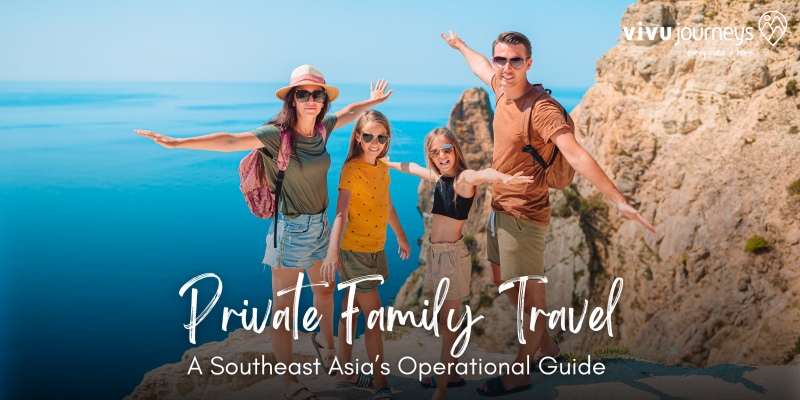


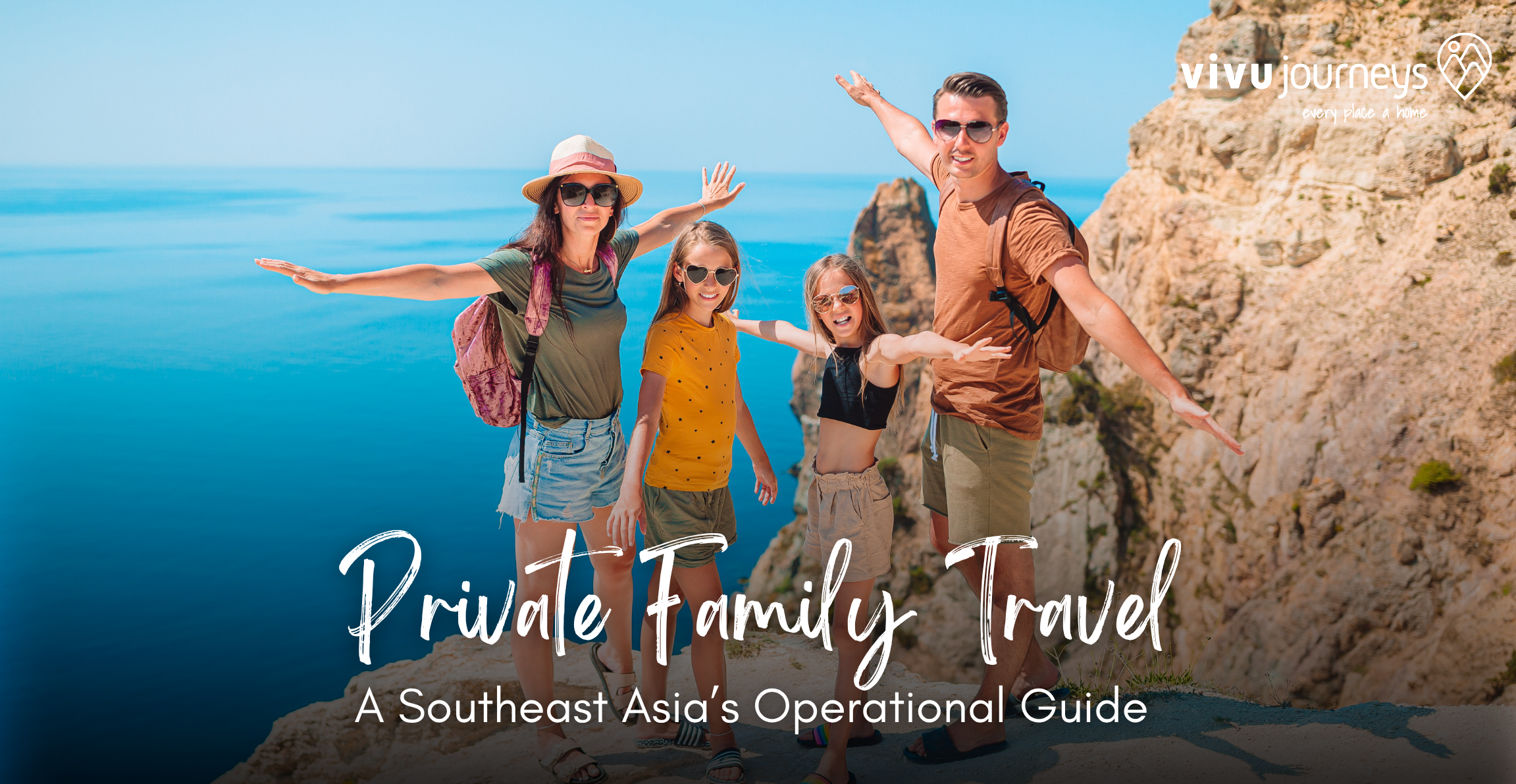
Private family travel across Southeast Asia is an itinerary design opportunity, with Vietnam, Cambodia, Laos and Thailand offering complementary cultural, nature and leisure experiences.
For travel professionals, private travel provides the flexibility to tailor routing, pace and activities to each family, making it particularly suitable for multi generational groups and multi country journeys.
Why Private Travel Delivers the Ultimate Family Experience?
Private travel gives families greater control over how a journey unfolds. For travel professionals, this flexibility creates more opportunities to build products around specific family profiles and travel priorities.

Flexible Itinerary Design
Families rarely travel as a single demographic. Young children, teenagers and multi generational groups have different needs, making flexibility important when designing a private itinerary.
Private itineraries allow planners to adjust:
- Daily start times and activity duration
- Activity level and free time
- Experiences based on age and interests
- Accommodation and room configurations
- Routing around the family’s preferred pace
This makes private travel well suited to families seeking meaningful experiences without an overpacked schedule.
Private Guides and Transportation
Private guides and vehicles give families greater control over timing and movement. Travel professionals can adjust departure times, sightseeing duration, stops and transfers to suit the group.
This is particularly valuable for multi destination journeys or longer road transfers, where comfortable and efficient transitions can significantly improve the overall experience.
Comfort Without Losing the Experience

Family travel can combine comfort with authentic local experiences. Convenient accommodation and transportation can be paired with cultural, culinary and community based activities.
For longer distances, flights can reduce travel time, while private vehicles, trains or boats can add value to shorter journeys. The goal is to use logistics efficiently so families have more time and energy for the experiences that matter.
Designing the Right Family Itinerary
A successful family itinerary starts with the travelers, not the destination list.
Match the Pace to the Family

A common planning mistake is trying to include too many highlights in a limited number of days. Families may be able to cover several destinations, but constant packing, unpacking and transferring can reduce the quality of the journey.
A stronger approach is to:
• Limit major activities each day
• Alternate active days with slower experiences• Build recovery time after long transfers
• Leave space for spontaneous family time
• Add nights where they improve the overall pace
For family travel, adding time can often create more value than adding another destination.
Consider the Age Mix

Age should influence both the itinerary structure and the experiences selected.
Young children may benefit from shorter activities, easy transportation and more frequent breaks. Older children and teenagers may respond better to adventure, food, nature and interactive cultural experiences. Multi generational groups often need a combination of shared activities and flexible personal time.
Understanding the family profile before building the itinerary helps travel professionals avoid creating a journey that is technically impressive but difficult to enjoy.
Choosing the Perfect Trip Length for Multi-Country Family Travel

Trip length should determine how many destinations can realistically be included.
10 to 14 days
Two destinations or one main destination with a short extension can provide a comfortable experience without excessive transfers.
15 to 21 days
Three destinations can work well when routing is efficient and the itinerary alternates between sightseeing, activities and downtime.
21 days or more
Four country journeys become more practical when flights and regional connections are well planned and each destination has a clear role within the overall journey.
The principle is simple: build the route around the desired experience, rather than trying to maximize the number of countries visited.
Match Family Profiles to Southeast Asia
Different family profiles can be matched with different destination combinations and experiences.
Culture and Heritage

Families interested in history and culture can combine Vietnam, Cambodia and Laos.
Vietnam offers food, historic cities, countryside and everyday cultural experiences. Cambodia adds the heritage of Angkor, while Laos provides a slower cultural experience around Luang Prabang and its surrounding communities.
To maintain variety, avoid scheduling several intensive heritage visits consecutively. Alternate temples and historic sites with cooking, crafts, markets, countryside or outdoor experiences.
Adventure and Nature
Families with older children and teenagers can benefit from a stronger focus on outdoor experiences.
Depending on the destination, products can include cycling, kayaking, trekking, cave exploration, snorkeling, nature excursions and countryside activities. The key consideration is suitability. Activities should reflect the children’s ages, fitness levels, season and previous travel experience, with enough recovery time between more active days.
Relaxation and Beach

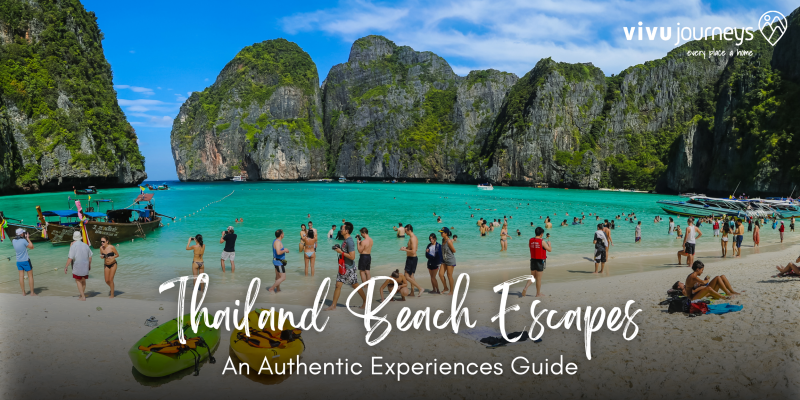
For families prioritizing downtime, Southeast Asia provides strong opportunities to combine cultural destinations with beach stays.
Hoi An and Vietnam’s central coast can be paired with Thailand for a longer beach focused finish. A slower final stage can also help families recover after a more active cultural itinerary. Rather than treating the beach as an additional destination, travel professionals can position it as part of the journey’s overall rhythm.
Multi Generational Families
Multi generational travel requires particular attention to comfort, accessibility and flexibility. Private transportation, well located accommodation, fewer hotel changes and flexible afternoons can make a significant difference. Experiences should also offer different levels of participation where possible, allowing grandparents, parents and children to enjoy the journey together without every activity needing to suit everyone in exactly the same way.
Family Experiences by Destination
Vietnam: Culture, Countryside and Hands On Experiences

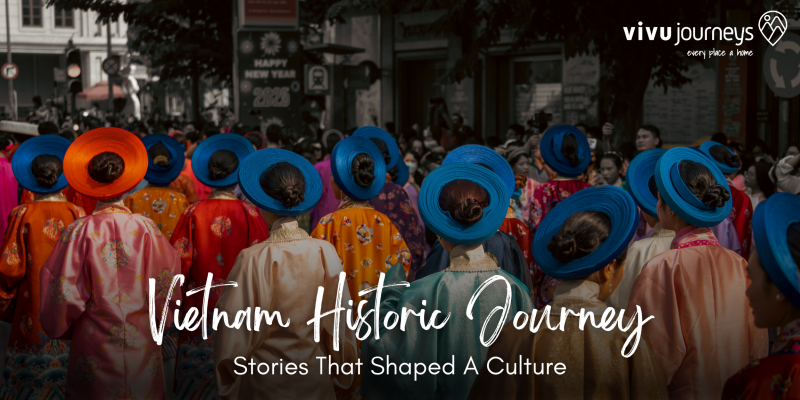
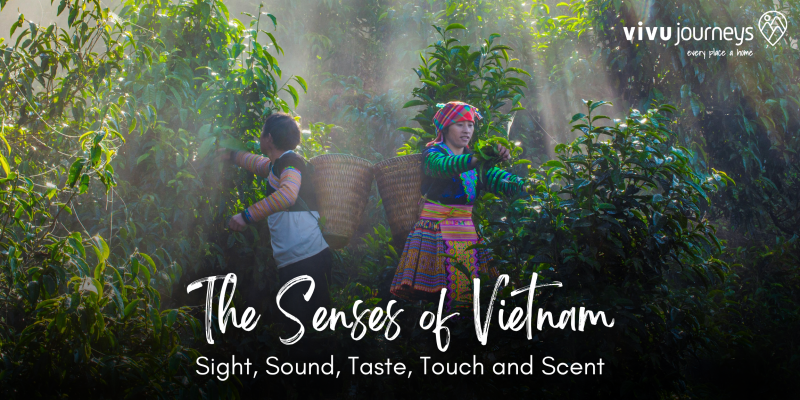
Vietnam offers a versatile mix of culture, food and outdoor experiences for families. Hanoi suits food and neighborhood discovery, while Ninh Binh adds countryside landscapes, boat trips and cycling.
In Hoi An, cooking classes, cycling and traditional craft experiences create hands on cultural encounters. For families seeking relaxation, Vietnam’s central coast can provide a beach extension. Travel professionals can combine these experiences based on family interests while avoiding overly ambitious routing.
Cambodia: Heritage and Discovery
Cambodia is well suited to families interested in history, culture and discovery, with Siem Reap providing access to Angkor. Family itineraries can combine temple visits with countryside excursions, local food and traditional crafts to create greater variety.
Spreading heritage experiences across the itinerary rather than concentrating them into one intensive day can make the journey more enjoyable for different age groups. Cambodia also works naturally within wider Southeast Asian journeys alongside Vietnam or Thailand.
Laos: Slow Travel and Nature

Laos brings a slower rhythm to family travel, combining cultural discovery with nature and countryside experiences. Luang Prabang offers historic sites, temples and local markets, alongside opportunities for cycling, craft activities and exploring the surrounding landscapes.
For travel professionals, Laos can add variety to a multi country itinerary while providing a more relaxed travel experience. It can work particularly well between more active destinations, giving families meaningful experiences without an intensive schedule.
Thailand: Cities, Culture and Beach

Thailand provides a broad family travel mix, from Bangkok’s food, markets, temples and river experiences to cultural and nature focused journeys in the north and beach stays in the south. This flexibility makes Thailand suitable as either a core destination or an extension. For shorter trips, focusing on one region can create a more coherent experience.
For longer journeys, Thailand can provide a relaxed final stage after cultural exploration elsewhere in Southeast Asia.
How Seasonality Affects Family Itineraries

Southeast Asia should not be treated as a single climate zone. Weather patterns vary considerably between countries and even between destinations within the same country.
For travel professionals, seasonality should influence the itinerary rather than simply determine whether a destination is “good” or “bad” to visit. Consider:
• School holidays: Demand can increase around major school holiday periods, so accommodation and family room configurations may require earlier planning.
• Rainy periods: Build flexibility into outdoor activities and have alternative indoor or cultural experiences available.
• Beach priorities: Match coastal destinations to their most suitable seasonal periods rather than adding a beach stay automatically.
• Heat: In warmer periods, schedule major sightseeing earlier in the day and allow slower afternoons.
• Regional routing: Check conditions across every destination when creating multi country journeys, as the best timing for one destination may not be the same for another.
A strong private family travel responds to seasonal conditions instead of following a standard route throughout the year.
Private Family Travel Planning Checklist

Before confirming a private family itinerary, travel professionals should consider:
- Entry & Connectivity: Visa requirements, border procedures and flight connections across all destinations.
- Accommodation: Family room configurations, connecting rooms, bedding arrangements and child policies.
- Transfers: Travel time, comfort and the most suitable transport for each route.
- Experience Suitability: Age requirements, physical demands, safety and family interests.
- Pacing: A balanced mix of activities, rest time and flexible periods.
- Seasonality: Weather conditions, school holidays and destination specific operating patterns.
- Meal Requirements: Dietary needs and suitable dining options for different age groups.
- Contingency Planning: Alternative activities and flexible arrangements for weather or transport disruptions.
Plan a Private Family Journey with Vivu Journeys

Creating a successful family journey requires more than connecting destinations. Vivu Journeys combines local expertise across Vietnam, Cambodia, Laos and Thailand with tailor made itinerary design, cross border logistics and curated experiences, helping travel partners create seamless journeys around each family’s interests, pace and needs.
Explore our Essence of Southeast Asia Brochure and Partner with us to craft unforgettable private family journeys for your clients.