

For American travelers seeking depth over simple sightseeing, Vietnam cultural experiences offer the perfect gateway into Southeast Asia’s living heritage. Beyond iconic landscapes and UNESCO sites, US visitors are increasingly seeking deep, authentic connections moving past transactional sightseeing to engage directly with the people, living traditions, and rich history that shape the nation.
Why Vietnam Captivates the Modern US Traveler?
1. Exceptional Value for Money Across Every Travel Tier

American travelers value transparent quality and high returns on their travel investment. Vietnam offers exceptional purchasing power without compromising on world-class service. From fine dining in Hanoi to private guided transfers through rural provinces, US visitors experience top-tier hospitality and exclusive cultural access at a fraction of the cost domestic destinations.
2. The Intersection of Luxury and Unfiltered Authenticity
Today’s US traveler seeks “experiential luxury” that refined comfort seamlessly connects with authentic local heritage. Vietnam excels in this space. Travelers can stay in heritage boutique resorts, historical villas, or premium eco-lodges that celebrate regional architecture while enjoying private, curated encounters with local cultural guardians.
3. Deep Commitment to Responsible and Community-Driven Travel

Environmental sustainability, cultural preservation, and equitable economic support for host communities are paramount for American travelers. Vietnam’s expanding network of community-based tourism initiatives allows US guests to participate in meaningful cross-cultural exchange, ensuring their travel footprint directly benefits local families, indigenous artisans, and rural conservation projects.
Core Pillars of Authentic Vietnamese Cultural Immersion
1. Slow Down and Connect with Local Communities

Instead of rushing between crowded viewpoints, authentic cultural travel focuses on the rhythm of everyday life. Staying in family-run boutique accommodations or high-end community lodges in rural valleys reveals the authentic soul of Vietnam. Guests can join local hosts for market runs, learn about seasonal agricultural practices, and gain genuine insight into how ethnic minority communities preserve their centuries-old heritage amidst modern growth.
2. Uncover Regional Identities Through Food Culture

Vietnamese cuisine is a direct reflection of its geography, regional history, and family heritage.
-
Northern Vietnam: Celebrates subtle, perfectly balanced flavors refined over generations.
-
Central Vietnam: Showcases bold spices, imperial court culinary traditions, and complex heritage recipes.
-
Southern Vietnam: Embodies vibrant, sweet, and herb-rich flavors powered by tropical abundance and river life.
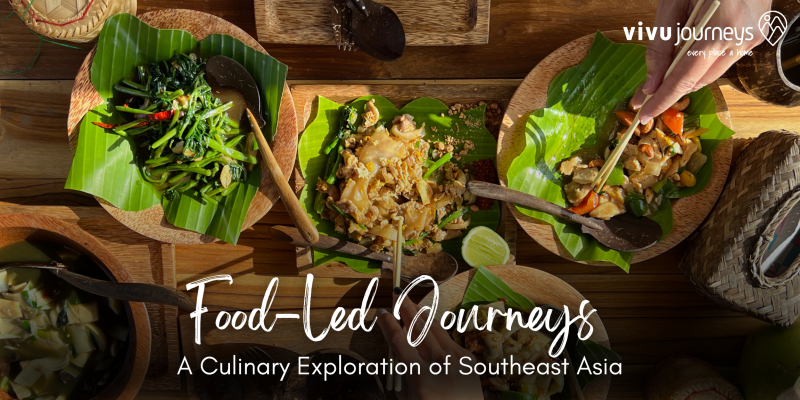
For US travelers, interactive culinary journeys starting at bustling morning markets, followed by hands-on cooking classes led by regional chefs or private home-cooked family dinners will offer an unforgettable gateway into everyday Vietnamese life.
3. Engage directly with Artisans and Living Traditions

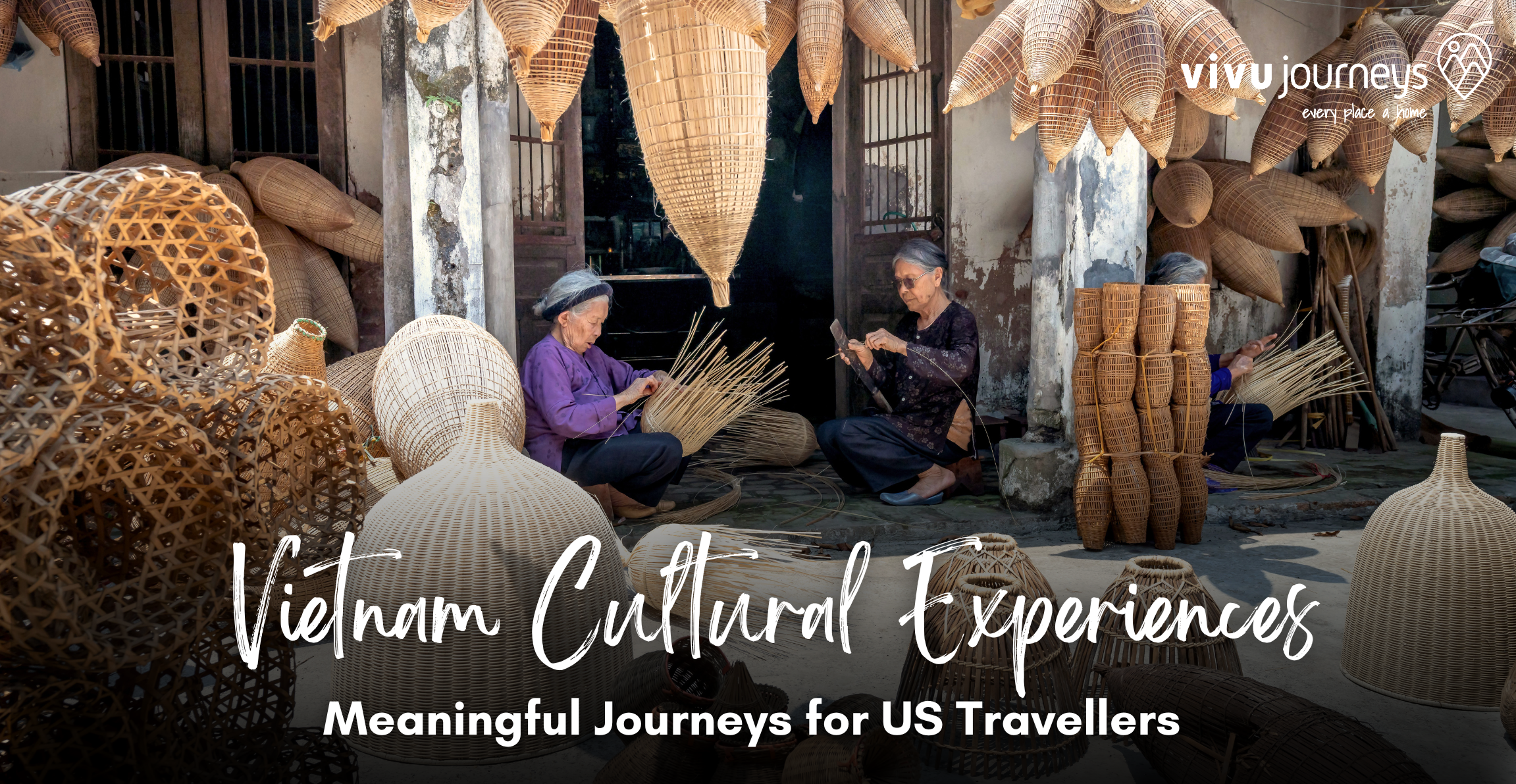
Vietnam’s artistic heritage thrives in its traditional craft villages. From lacquered wood and hand-thrown pottery to silk weaving, incense crafting, and lantern making, these trades preserve skills passed down through centuries. Hands-on workshops allow travelers to sit alongside master craftspeople, learn fundamental techniques, and gain a profound respect for the dedication behind Vietnam’s living arts.
Top Regional Destinations for Vietnam Cultural Experiences
1. Northern Vietnam: Heritage, Villages and Ethnic Culture

Hanoi’s cultural tapestry extends well beyond the famous Old Quarter. The capital reveals itself through layered architecture, traditional tea houses, coffee traditions, and quiet residential alleys where history coexists with modern creative energy.
Venturing beyond the city leads to specialized traditional craft villages. Further north, in provinces like Ha Giang and Mai Chau, dramatic karst mountains set the stage for rich ethnic minority encounters, where locally led homestays foster authentic human connection.
2. Central Vietnam: Imperial Heritage and Artistic Traditions

Central Vietnam delivers a deeply historical narrative. In Hue, imperial citadels, royal tombs, and traditional garden houses convey the refined heritage of the Nguyen Dynasty.
Further south, Hoi An ancient town showcases centuries of international maritime trade. Beyond the preserved streets, visitors can explore organic farming villages, river communities, and family workshops dedicated to traditional silk tailoring and lantern crafting.
3. Southern Vietnam: River Life and Local Hospitality

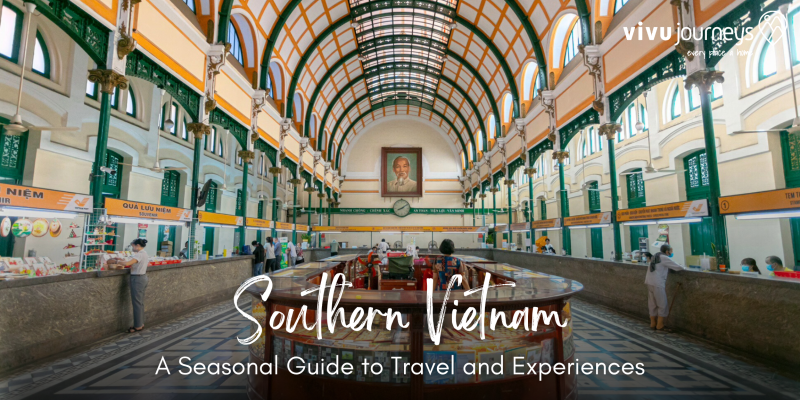
Southern Vietnam is open, dynamic, and closely tied to its rivers, trade, and vibrant food culture. Ho Chi Minh City blends historic architecture, energetic markets, and a modern culinary scene, best experienced by exploring its diverse districts rather than isolated monuments.
In contrast, the Mekong Delta follows a gentler rhythm dictated by its waterways. Small boat journeys, fruit orchard visits, craft workshops, and home cooked meals reveal the region’s authentic local life, defined by warm hospitality and a deep connection to the river.
Responsible Practices for Meaningful Vietnam Cultural Experiences

1. Understand Vietnamese Customs and Etiquette
Understanding Vietnamese customs helps travelers interact respectfully and feel more at ease. Dress modestly at religious sites, ask before taking photos, and show respect to older people. During home visits or shared meals, follow the host’s guidance, including removing your shoes when requested.
2. Support Local Communities

Responsible travel in Vietnam begins with thoughtful everyday choices. Choose local guides, family-run stays, independent restaurants, and community-based activities. Reduce waste, respect residential areas, and avoid experiences that exploit animals or commercialized traditions. Support programs that represent local people fairly and bring genuine benefits to their communities.
3. Explore Vietnam with Knowledgeable Local Guides

Vietnam local guides bring destinations to life through history, personal stories, and insights into everyday customs. Private cultural tours and small-group experiences offer more meaningful interaction with residents. When choosing an operator, consider group size, local partnerships, and community benefits. The most authentic Vietnam experiences grow from respectful exchange, genuine curiosity, and trusted connections with local people throughout the journey.
4. Choose a Slower Itinerary for Deeper Cultural Connections
A well-paced Vietnam cultural itinerary allows travelers to connect more deeply with each destination. Spend 7–10 days exploring one region, 12–14 days combining two, or 18–21 days discovering all three. Stay at least two nights in key places, limit unnecessary flights, and leave time for markets, local conversations, community visits, and quiet observation of daily life along the way.
See more:
How Vivu Journeys Creates Meaningful Cultural Programs

Crafting authentic Vietnam cultural experiences lies at the heart of every program by Vivu Journeys. Through direct partnerships with expert local guides, traditional artisans, and host families, we create custom itineraries that seamlessly blend culture, nature, gastronomy, and relaxation. Partner with us to deliver meaningful, responsible travel that connects visitors directly to the living stories and authentic spirit of Vietnam.