
The best time to visit Southern Vietnam depends on the experiences your clients value most, from exploring lively city streets to discovering river communities or relaxing by the sea. December to April is generally a useful starting point for mainland travel, while islands need closer attention to local seasons. With the right timing, Southern Vietnam becomes more than a destination, it becomes a journey shaped by the places, people and experiences along the way.
Southern Vietnam Through the Seasons
A Warm Tropical Climate

Southern Vietnam stays warm throughout the year, with two main seasons – a dry season and a rainy season – rather than the four distinct seasons experienced in Northern Vietnam. The dry season generally brings more sunshine and lower rainfall, while the rainy season is marked by more frequent showers and higher humidity.
Even during the green months, however, rain often comes in short bursts rather than lasting all day. For travelers, the key is not simply choosing between “dry” and “rainy” seasons, but planning around the weather to enjoy a comfortable pace, from outdoor sightseeing to time by the coast.
Different Places, Different Conditions

Weather can feel different across Southern Vietnam, depending on where the journey takes you. Cities offer plenty of indoor options when rain arrives, while the Mekong Delta is more closely shaped by river conditions and access to smaller communities.
On the islands, wind and waves can affect boat trips even when the weather on land remains pleasant. For a multi-stop journey, checking conditions at each destination rather than relying on one forecast for the ole region can help you plan activities more comfortably around the character of each place.
A Year Shaped by Sun and Rain
Dry Season: Bright Days and Outdoor Adventures

December to April brings sunnier skies and less rain, making it easier to build days around outdoor experiences. This is a natural time for exploring cities on foot, cruising through the Mekong Delta or heading to the coast and islands. The trade-off is the heat: afternoons can feel intense, particularly in March and April, so early starts and a slower pace can make sightseeing more enjoyable.
Green Season: Tropical Showers and Lush Landscapes
From May to November, rain becomes a more regular part of the day, but rarely means a complete washout. Tropical showers are often short and heavy, with brighter spells in between, while the countryside and river landscapes take on a greener, more vibrant feel. Flexible plans work best during this period, especially for boat trips and island activities where wind and waves can affect conditions.
- Discover more of Vietnam’s regions: Central Vietnam: Climate & Seasonal Travel Guide and Best Time to Visit North Vietnam: Seasonal Guide
Where to Go Through the Seasons
Phu Quoc: Sun, Sea and Island Escapes

The dry season brings clearer skies and calmer conditions to Phu Quoc, making it a natural choice for a beach-focused escape. Days are well suited to island-hopping, snorkeling and enjoying the coast at an unhurried pace.
For a more relaxed stay, combine time on the water with sunset moments, resort experiences and fresh seafood. The later dry-season months can feel hotter, but the island’s relaxed rhythm makes it easy to balance time on the water with slower resort afternoons.
- Local Tip: Choose your coast based on seasonal winds. During the dry season (December to April), the western beaches (Long Beach, Ong Lang) offer calm, crystal-clear water. During seasonal transition months or rainier stretches, head to sheltered southeastern beaches like Bai Sao or Bai Khem for calmer swimming conditions.
Mekong Delta: Green Landscapes and River Life

The green season gives the Mekong Delta a lush, vibrant character, with tropical greenery and waterways shaping the landscape. This is also a rewarding time for orchard visits, seasonal fruit and encounters with everyday life along the waterways.
Short showers may shift the timing of cycling or boat trips, but they rarely need to take these experiences off the itinerary. Leave some room between activities so the day can flow naturally around passing showers.
- Local Tip: Riding the narrow, paved trails through places like Bến Tre allows you to weave directly through dense coconut orchards, local craft workshops, and quiet villages that larger boats cannot reach.
Ho Chi Minh City: Streets, Flavors and Urban Energy

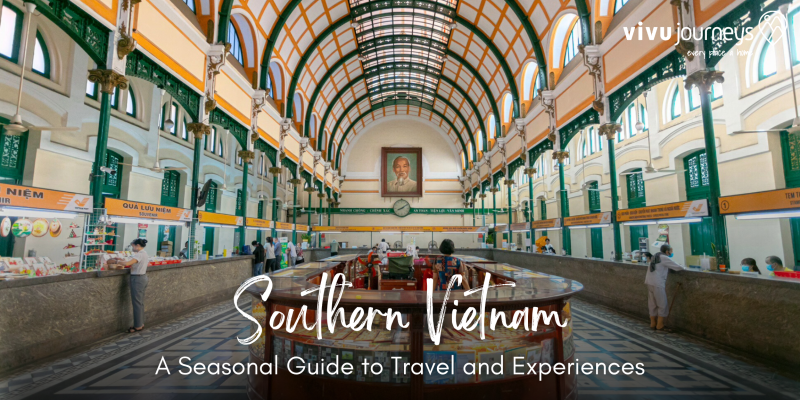
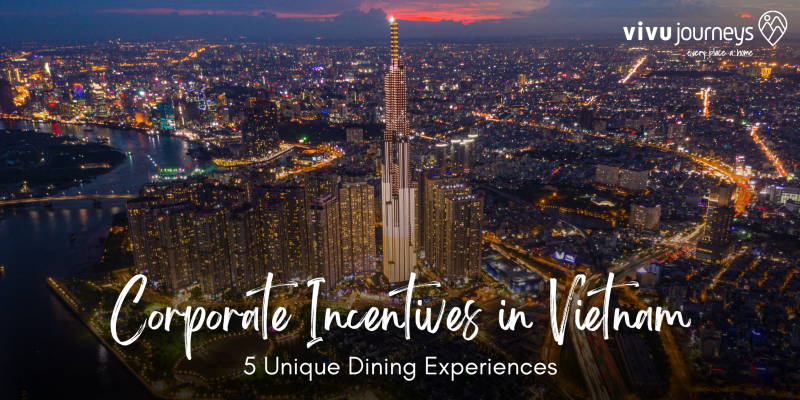
The drier months offer an easy rhythm for discovering Ho Chi Minh City, from wandering historic streets to exploring markets and sampling its lively food scene. With so much happening across the city, early mornings and late afternoons can be especially enjoyable for being outdoors.
Even in the drier months, the city’s heat is best enjoyed at a slower rhythm. Breaking up sightseeing with cafés, museums or indoor stops makes it easier to explore at a comfortable pace without losing the city’s energy.
- Local Tip: Start outdoor street exploration between 6:30 AM and 8:30 AM. Neighborhood markets and alleyways are at their liveliest, temperatures are cooler, and morning street vendors serve freshly made regional dishes.
Mui Ne: Coastal Days and Changing Skies

Mui Ne brings a different kind of coastal experience, where beaches, sand dunes and strong coastal winds shape the landscape. During wetter periods, changing weather can shape the rhythm of the day, so outdoor activities are best planned with some flexibility.
For travelers drawn to active experiences, the coast offers opportunities for water sports and exploring the dunes. A little flexibility allows beach time and outdoor activities to fit naturally between passing showers.
- Local Tip: For a quieter alternative to the dune buggies, walk the Fairy Stream (Suoi Tien) barefoot. This shallow, ankle-deep waterway winds gently through striking red and white limestone formations and bamboo forests, offering a surreal contrast to the bustling beaches.
Planning Your Journey Around the Weather

Plan Around the Heat
In the hotter months, build a balanced rhythm into the itinerary rather than filling every day with outdoor activities. Pair sightseeing with relaxed meals, café stops or indoor experiences so travelers can enjoy the destination without making the heat the focus of the journey.
Leave Room Between Activities
Avoid packing too many weather-dependent experiences into one day. Leaving some breathing room between boat trips, cycling or outdoor sightseeing makes the itinerary easier to adjust and gives travelers more time to enjoy each destination at a relaxed pace.
Build in a Mix of Experiences
Combining cities, river destinations and coastal stays can create a more balanced itinerary, giving travelers a mix of active exploration, local experiences and time to unwind. A lively city stop can balance a slower Mekong experience, while a few days by the coast can add space to relax after a more active itinerary.
Practical Tips for a Comfortable Trip

A few simple details can make a Southern Vietnam itinerary smoother and more enjoyable:
- Pack for the tropics: Choose lightweight, breathable clothing and comfortable walking shoes. Bring sunscreen and sunglasses year-round, plus a compact rain jacket or umbrella during the green months.
- Allow time between destinations: Road transfers, boat journeys and island connections can take longer than expected, so avoid packing too many stops into a single day.
- Stay hydrated: Tropical heat can be tiring, especially during outdoor sightseeing. Plan shaded breaks, café stops or a relaxed lunch during the warmer hours.
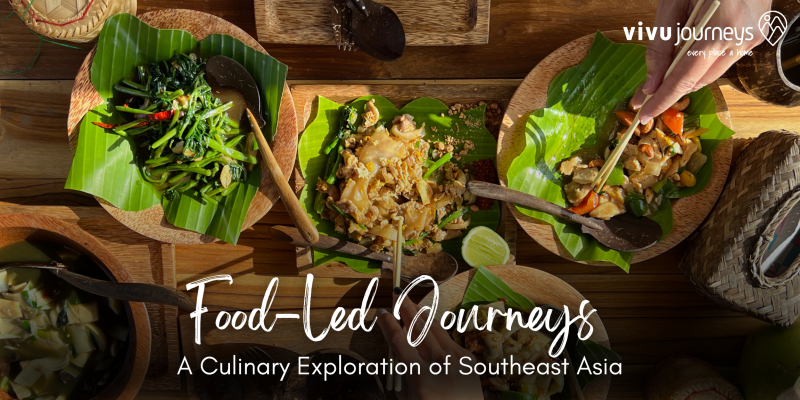
- Leave room for local flavors: Make time for street food in Ho Chi Minh City, fresh fruit in the Mekong Delta and regional specialties along the coast.
- Check local conditions: Weather can vary between the mainland, river destinations and islands, so check local forecasts before setting out for boat trips or outdoor activities.
Plan a Journey That Fits

The best time to visit Southern Vietnam depends on more than the weather. The right season depends on the places your clients want to explore, the experiences they value and the pace they prefer, from lively city discoveries and river journeys to relaxed days by the sea.
Enquire now to receive our full Vietnam Destination Guide to create a Southern Vietnam itinerary designed around your clients’ interests, travel dates and preferred experiences.