
Southeast Asia offers an abundance of travel experiences for tour operators and travel advisors to choose from. The challenge is rarely finding activities, but identifying which ones genuinely add value to an itinerary.
For travel professionals, a truly unique Southeast Asia travel experience does not necessarily need to be remote, exclusive or entirely undiscovered. Its value often comes from how authentically it connects travelers with the destination, how well it matches the client profile, and how seamlessly it fits into the wider journey.
What Makes Southeast Asia Travel Experiences Truly Unique?
A compelling travel experience goes beyond simply taking travelers somewhere interesting. It should create a genuine connection with the destination while offering something relevant, engaging and memorable.
1. Authenticity That Goes Beyond Sightseeing

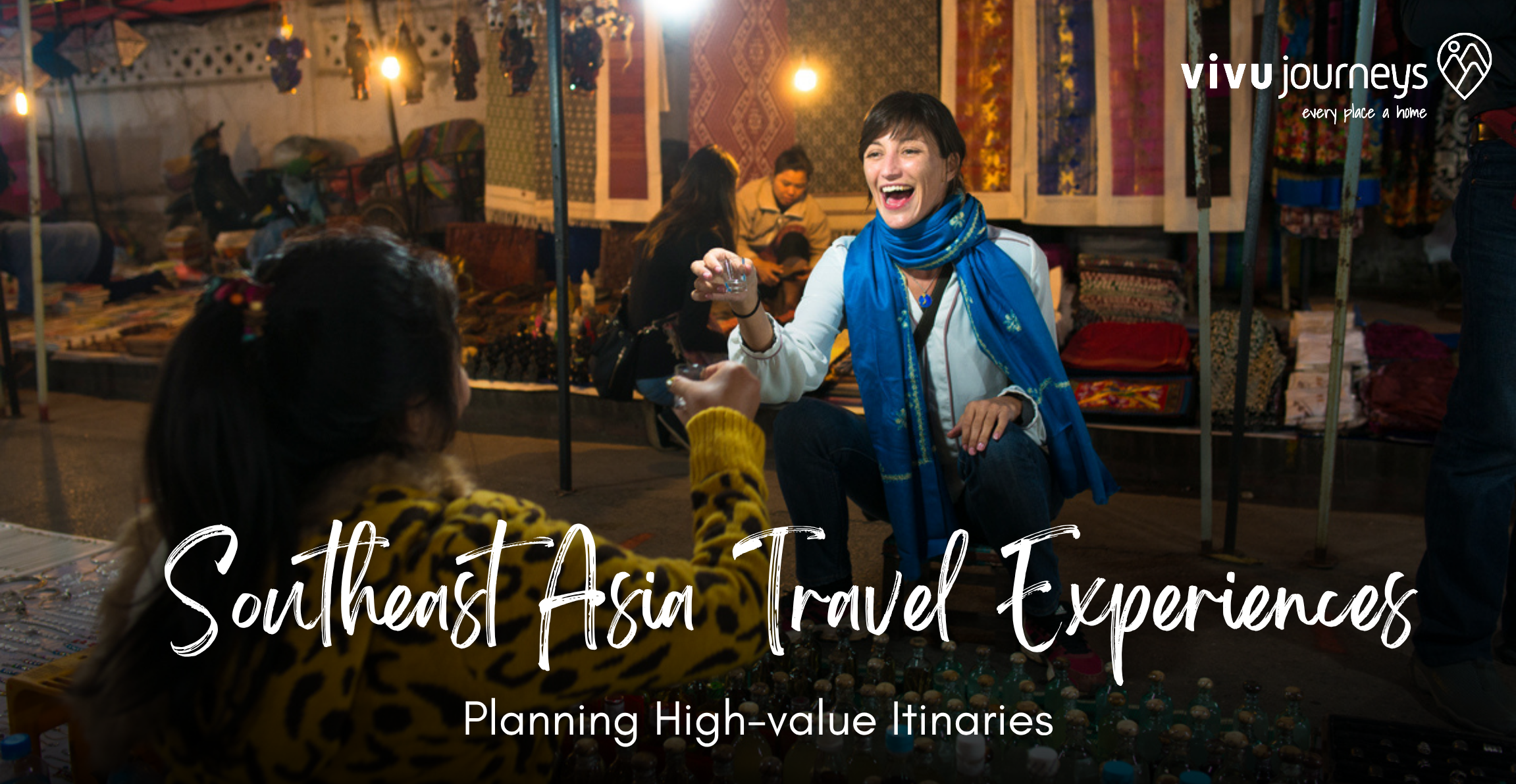
Travelers increasingly prefer understanding a destination over simply seeing it. Local hosts, traditional crafts, regional cuisine, and cultural stories bring places to life far better than standard sightseeing stops. For travel professionals, the value lies in creating a genuine sense of place; a craft village visit becomes far more meaningful when travelers meet local artisans, learn about their heritage, and join a hands-on workshop.
The same principle applies across Southeast Asia, where local traditions, cuisine and communities can provide authentic experiences that give travelers a deeper understanding of the destination.
2. Meaningful Local Access

The same location can deliver two very different experiences depending on the level of access and engagement.
- Standard sightseeing: A brief, passive walk through a local market.
- Meaningful access: A guided market walk led by a local chef, conversations with vendors, tastings of regional specialities and selecting ingredients for a cooking session.
The second experience creates a stronger narrative and gives travelers something to remember and share after returning home. For travel advisors, these details can also become compelling selling points when presenting an itinerary to clients.
3. Relevance to the Traveller

The unique experience is only valuable when it is right for the person taking part in it. High-value Southeast Asia travel experiences should therefore be matched to specific traveller profiles.
- Families often respond well to interactive, hands-on and engaging activities.
- Premium and luxury travelers may prioritize privacy, flexibility and personalized access.
- Food enthusiasts tend to seek deeper connections with local cuisine and culinary traditions.
- Wellness travelers often prefer slower-paced, nature-based and restorative experiences.
- Incentive and corporate groups may value exclusive access, team engagement and memorable shared moments.
Effective product differentiation begins with understanding the traveller, rather than choosing an activity first.
- See more:
5 Hands-On Experiences in Vietnam for Families and Kids
Wellness Experiences in Vietnam: A Guide to Mindful Travel
4. A Story That Strengthens the Journey

A cooking experience can introduce travelers to a destination’s food culture. A craft workshop can reveal local heritage. A countryside visit can provide a slower contrast to a busy city. A wellness experience can offer a restorative pause after several active days.
Rather than filling an itinerary with disconnected activities, travel professionals can create greater value by connecting experiences through rhythm, contrast and purpose.
How to Evaluate a Southeast Asia Travel Experience
Evaluating a Southeast Asia travel experience goes beyond measuring costs to assessing the true value generated through diversity. By weaving vibrant cities, ancient temples, tropical islands, and remote communities into a single journey, the region delivers exceptional value through its sheer range of landscapes, cultures, and traditions.
The true quality of a trip, whether luxury or local, depends on how effectively these varied elements are curated. To ensure an experience offers depth, market appeal, and seamless delivery, travel professionals evaluate each product through essential criteria.
1. Authenticity and Local Connection

Ask whether the experience has a genuine connection to the destination. Does it involve local people, traditions, food, craftsmanship, landscapes or stories? Does it allow travelers to engage with the destination in a meaningful way?
Authenticity should feel natural rather than staged. The strongest local experiences allow travelers to participate, interact and understand, rather than simply observe.
- Explore more:
Mekong Delta: Top 5 Unique Experiences to Explore
Asian Fruits to Discover in Southeast Asian Markets
2. Client and Market Fit
Travel professionals need to consider who the experience is designed for, what level of comfort is expected, how much time it requires and whether it matches the interests and expectations of the target customer.
An active countryside experience, for example, may be ideal for adventure-focused travelers but require adaptation for a multigenerational family. Similarly, a simple local encounter can become highly appealing to premium travelers when it offers the right level of privacy, access and personalization.
3. Product Differentiation

When developing unique travel experiences, the key question is not simply, “Is this activity unusual?” Instead, consider what makes it more valuable than a standard alternative.
A private artisan workshop may offer more meaningful access than a conventional village visit. A chef-led market experience may provide greater engagement than a restaurant meal. A conservation-focused visit may create a stronger connection to nature than simply sightseeing in a national park.
Differentiation often comes from how an experience is designed and delivered, rather than the destination itself.
4. Itinerary Integration

The experience must also work within the wider journey. Routing, travel time, daily rhythm and logical sequencing all influence how travellers perceive a trip. A well-designed itinerary should balance active and relaxed experiences, major attractions and local discoveries, and city stays with time in nature.Pairing a street food tour with a morning cultural walk, introducing a rural excursion after several busy city days, or saving a restorative spa experience for the end of a journey can create a stronger overall narrative.
5. Operational Reliability

Even the most inspiring concept has limited value if it cannot be delivered consistently. Travel partners need confidence that ground execution will meet the expected standards, from punctual logistics and expert guiding to safety procedures and contingency planning.
Operational reliability is therefore part of the experience itself. A seamless journey allows travelers to focus on the destination rather than the logistics behind it.
Types of Unique Southeast Asia Travel Experiences
Southeast Asia offers a diverse range of experiences that can be adapted to different markets and traveller profiles. The goal is not necessarily to find undiscovered places, but to enrich existing routes with high-value and memorable touch points.
1. Local and Cultural Experiences
Cultural journeys deliver maximum impact when they move beyond passive observation towards authentic engagement. Traditional artisan workshops, living heritage visits, community encounters and local storytelling can transform standard sightseeing into meaningful cultural discoveries.

In Vietnam, for example, a visit to a traditional craft community can become more engaging through direct interaction with artisans. Across Cambodia and Thailand, local cultural encounters can similarly introduce travelers to traditions and stories that are not always visible through conventional sightseeing.
These experiences are particularly suitable for culture seekers, slow travelers and educational groups looking for a genuine local connection.
2. Culinary Experiences
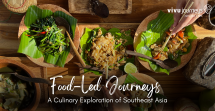
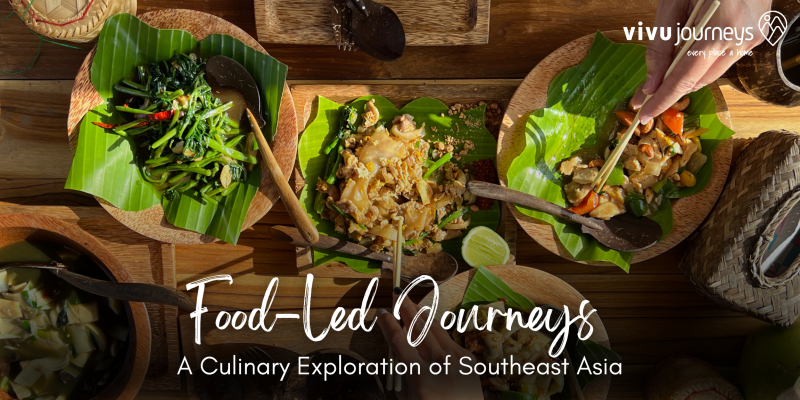
Food is one of the most versatile elements of Southeast Asia itinerary design. Turning a standard meal into a culinary journey can add a strong sense of place while creating opportunities for interaction.

Experiences can include:
- Chef-led local market walks
- Street food tours
- Farm-to-table workshops
- Traditional cooking classes
- Private home-dining experiences
- Visits to local food producers
These flexible culinary experiences can be adapted across different segments, including food enthusiasts, families, premium travelers and incentive groups.
- Discover more:
Vietnamese Cuisine: A Journey through 3 Regional Flavours
Vietnamese Street Food You Can’t Miss
3. Nature and Wellness Experiences

Southeast Asia’s landscapes offer opportunities to introduce slower and more restorative elements into an itinerary. Countryside journeys, nature-based activities, wellness experiences and conservation-focused visits can provide valuable contrast to major cities and heritage sites.
When developed responsibly, these experiences can also contribute to local communities and destinations. Responsible tourism principles are increasingly important when selecting nature-based products, particularly for travelers who value sustainability and meaningful engagement with the places they visit.
See more: Nature Lovers’ Paradise: The Ultimate Vietnam Escapes
4. Bespoke and VIP Experiences

For premium travelers, luxury clients and incentive groups, differentiation can come through personalization, privacy, special access and carefully designed moments. Exclusivity does not always mean extravagance. A private local encounter, specialist guide or access to a meaningful cultural experience can create greater value when it is genuinely relevant to the traveller.
For travel professionals, bespoke experiences can also provide greater flexibility in adapting an itinerary around individual interests, preferred pace and comfort levels.
See more: Incentive Travel in Vietnam: A Premier Experience
How Local DMC Expertise Turns Experiences Into Travel Products
Developing distinctive travel products from afar can present significant operational challenges. This is where an experienced Destination Management Company (DMC) can bridge the gap between creative concepts and reliable execution.
1. Local Knowledge and Supplier Vetting

A local DMC understands which experiences genuinely deliver on their promises and which may not work as expected for international travelers. Strong local networks also allow DMCs to work with vetted suppliers and trusted partners whose standards align with the expectations of international travel professionals.
2. Customization and Personalization
Tailor-made travel allows travel professionals to move beyond rigid, standard packages. By adjusting itinerary pace, group size, traveller interests and comfort levels, the same destination can become a range of customized travel products for different client profiles.
This flexibility is particularly valuable when developing unique Southeast Asia travel experiences for premium, family, incentive and special-interest markets.
See more:
3. Seamless Logistics and Execution
A distinctive experience still needs to work operationally. Local DMC expertise helps coordinate transportation, timing, guides, suppliers and regional logistics behind the scenes, while managing potential disruptions and contingencies.
For travel partners, this means being able to offer clients distinctive experiences with confidence that every element of the journey is properly coordinated.
Build More Meaningful Southeast Asia Journeys with Vivu Journeys

The most memorable Southeast Asia travel experiences create a genuine connection with the destination, suit the traveler, and enrich the overall journey. For travel professionals, converting these experiences into successful products requires local knowledge, trusted partnerships, thoughtful design, and reliable execution.
Leveraging local expertise across the region, Vivu Journeys collaborates with travel partners to craft tailor-made itineraries that seamlessly deliver authentic, meaningful, and memorable client experiences. Enquire now or partner with us to create distinctive Southeast Asia journeys for your clients.